How Rural Businesses Can Boost Income With Tourism and Outdoor Activities
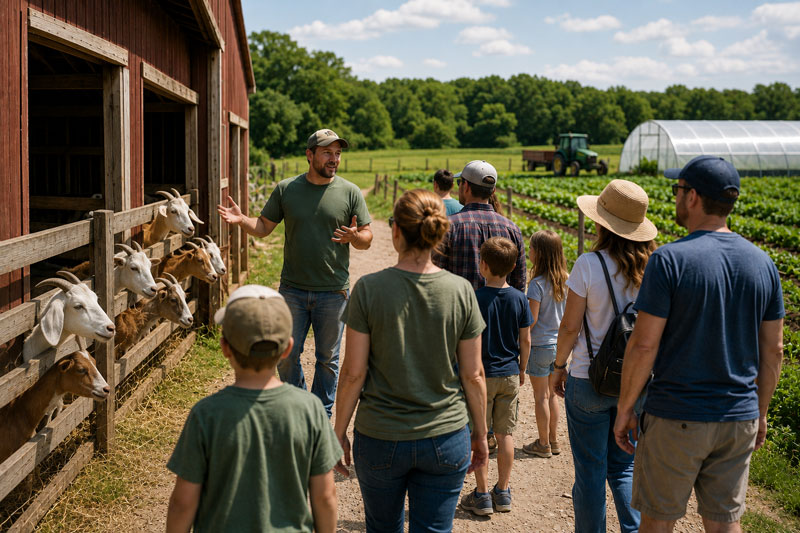
Rural business owners often rely on a narrow set of customers and seasonal demand, which makes cash flow and staffing hard to stabilize. Tourism income diversification offers a way to earn from existing land, facilities, and know-how by converting them into agribusiness opportunities that attract visitors. When guests arrive, the visitor spending impact extends beyond the farm gate to nearby shops, services, and lodging, reinforcing local economic development. The core challenge is choosing visitor-focused offerings that fit local capacity and protect day-to-day operations.
Understanding Rural Tourism Experience Types
Agritourism experiences invite visitors into working rural life through farm stays, U-pick days, tastings, workshops, and seasonal events. Heritage and cultural tourism centers on the place’s identity, such as historic sites, local crafts, food traditions, music, or storytelling. Outdoor recreation activities use nearby nature for guided walks, trail riding, paddling, birding, fishing access, or simple equipment rentals.
These sectors fit rural areas because they build on what’s already there: land, practical skills, and authentic narratives guests cannot find in cities. Growing demand also helps, with the cultural tourism market expected to reach USD 10264.25 million by 2035.
A farm might host a harvest weekend, partner with a local historian for a short tour, then offer a sunset hike on a marked loop. One set of resources supports multiple experiences, making visits longer and spending more consistent. Clear offers make it easier to set a simple visual brand and reuse the same designs across flyers, signage, and social posts.
Create Polished Flyers, Signs, and Posts With AI-Assisted Design
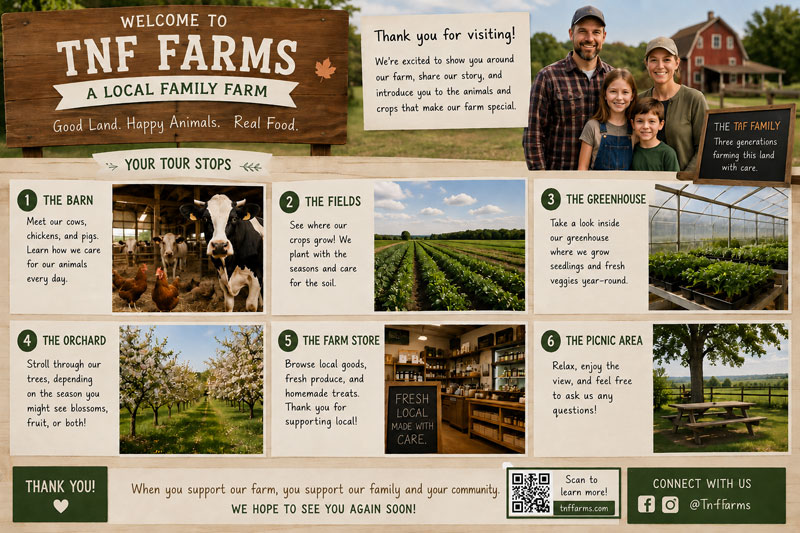 AI-powered design tools let business owners create polished graphics quickly, even without prior design skills. With an AI-powered design generator by Adobe Firefly, you can enter a simple text description, such as a harvest festival flyer, wayfinding sign, or weekend farm-stay post, and receive multiple design options to choose from. From there, you can customize colors, styles, and layouts to fit your business and the tone of the experience you’re promoting. This approach can save time compared with building each piece from scratch, while helping you keep visuals consistent and professional across printed flyers, on-site signage, and social posts.
Use a Low-Barrier Launch Plan for Each Tourism Option
Low-barrier entry tourism works best when each offer has a simple launch plan: a clear product, a basic operating routine, a price, and a few partners who help you reach visitors. Use small, testable options first so rural income diversification strategies add revenue without adding chaos.
- Start with one “minimum viable” offer per category: Pick one agritourism activity, one heritage tourism tactic, and one outdoor recreation option that you can run with current staff and space. Examples include a 60-minute farm walk, a 30-minute “main street history” stroll, or a marked half-mile nature loop with a printed map. Keep the first version simple enough to run weekly, then expand only after you can deliver it consistently.
- Define a basic operating checklist before you promote: Write a one-page run-of-show that covers arrival, parking, check-in, restrooms, the route, and a clean-up reset. Add a “bad weather” rule and a cap on group size so you can protect the property and visitor experience. This keeps your AI-assisted flyers and signs accurate because they reflect what you can reliably deliver.
- Use simple, transparent pricing that matches effort and capacity: Set one base price and one add-on so customers can decide quickly. For example, charge per person for a tour and add a small fee for a tasting, souvenir, or photo bundle; or charge per vehicle for trail access and add a guided option at set times. A simple rule is to price so one event covers direct costs the same day, then adjust after 3–5 runs based on attendance and questions.
- Build heritage tourism around existing stories and assets, not new construction: Inventory what you already have, old equipment, a family recipe, a restored building, a local legend, a working craft, and turn it into a short, repeatable interpretive experience. Use consistent labels and “story stops” with a map or QR code so visitors can self-guide when you are busy. This approach makes it easier to reuse the same visuals across posters, roadside signs, and social posts.
- Plan outdoor recreation as a managed access product: Treat access as a service with defined entry points, hours, rules, and maintenance checks. Start with low-impact uses such as hiking, birding, or paddling where appropriate, then add higher-touch options like rentals or guided trips only after you see demand. In areas where access is limited, outdoor experiences can attract visitors since 61% of Californians live in Census Tracts with less than 3 acres of parkland per 1,000 residents.
- Create a small partnership loop that sends customers both ways: Ask three partners to cross-promote: a lodging host, a food business, and a local organization such as a chamber, historical society, or outdoor club. Offer a simple referral perk such as a bundled ticket, a scheduled “guest day,” or a co-branded weekend itinerary. Agritourism demand is broad enough to support these collaborations, with the agro-rural tourism market valued at USD 97.35 billion, but the operational details still determine whether the offer is profitable.
Questions Rural Owners Ask About Tourism
Q: What if our town can’t handle a lot of visitors?
A: You do not need volume to earn meaningful revenue. Set a weekly schedule, require reservations, and cap group size so parking, restrooms, and staffing stay manageable. Start with short time blocks that fit your existing workload.
Q: How can we start tourism without hiring new staff?
A: Offer one guided time slot per week or a self-guided option that uses signs, maps, or QR codes. Use simple scripts and a checklist so any trained team member can run it. Add a single add-on only after the base offer runs smoothly.
Q: Can tourism really make a difference for rural income?
A: It can, especially when visitors spend across multiple businesses in one trip. The scale of travel and tourism shows how much spending flows through the sector, even when local offers are small and focused. Aim for repeatable experiences that visitors can plan around.
Q: How do we prevent visitor impact on land, neighbors, or wildlife?
A: Define access points, hours, and rules, then enforce them consistently. Use clear boundaries, marked routes, and a leave-no-trace reminder at check-in. Keep a log of issues so you can adjust quickly.
Q: What if locals worry tourism will change the community?
A: Start with community priorities like heritage, local food, or low-impact trails, and share limits upfront. Many rural communities are twice as likely to be optimistic about their future, which helps when you invite feedback and set shared expectations.
Pilot One Tourism Offer and Grow Shared Rural Income
Rural businesses often face a tight balance between protecting daily operations and pursuing new revenue without straining limited staff and infrastructure. A tourism-led income growth mindset, start small, coordinate locally, and manage visitor impact, keeps the work proportional to capacity. Done well, tourism spending produces economic ripple effects that raise the community benefit from tourism through supplier demand, local jobs, and repeat visits. Small pilot offers can generate measurable gains for supporting local businesses. Choose one low-risk pilot offer, track a few simple indicators of community benefit from tourism, and review results after a short season. Reinvesting what works into sustainable rural development builds steadier income and greater local resilience over time.
