
Jekyll Island: A Gem of the Georgia Coast

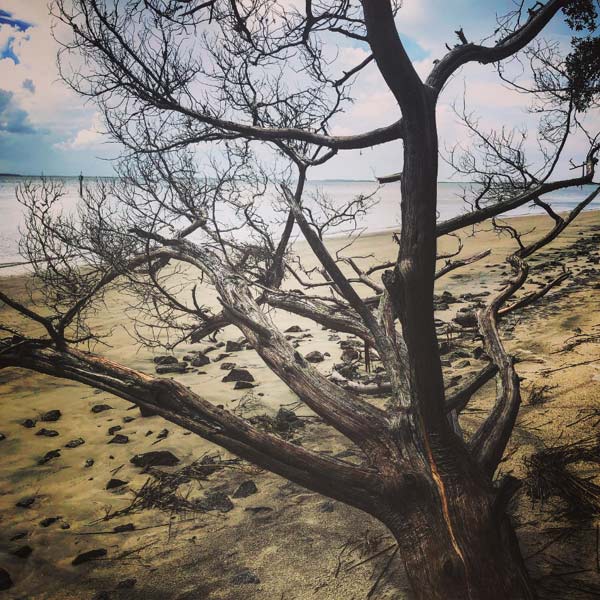
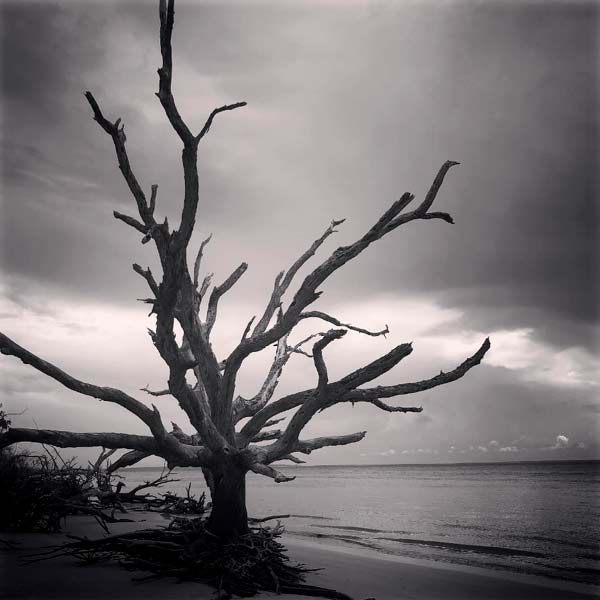
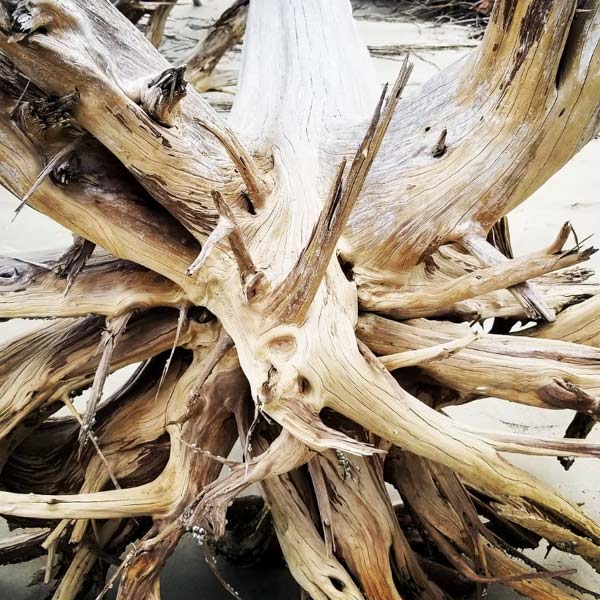
So who’s up for a little day trip? Nestled along the picturesque Georgia coast, Jekyll Island stands as a testament to the intersection of natural beauty, history, and conservation. Known for its serene beaches, moss-draped oak trees, and a rich history dating back centuries. Jekyll Island has evolved from a private retreat for the elite to a public haven for nature enthusiasts and history buffs alike. Today’s visit had us captivated by the beauty and sheer amount of driftwood on Driftwood Beach. We’ll also cover the facets that make Jekyll Island an interesting destination, from its historical significance to its modern-day attractions and efforts towards conservation.
Once known as the Millionaires’ Playground
Jekyll Island earned its place in history as the exclusive winter retreat for some of America’s wealthiest families during the late 19th and early 20th centuries. Affectionately known as the “Millionaires’ Club,” luminaries such as the Rockefellers, Vanderbilts, and Morgans convened on the island, escaping the harsh northern winters to enjoy the temperate climate of the Georgia coast.
In 1886, the Jekyll Island Club, a private and exclusive club, was established. Further solidifying the island’s reputation as a haven for the elite. Members built grand winter cottages. Each reflects their distinct architectural style. The Club became a hub for social, recreational, and intellectual pursuits, and its influence extended beyond the island.
The Federal Reserve’s Birthplace
We try not to get political on TnF Farms. Not a lot of people know that one of the most significant events in Jekyll Island’s history occurred in secret. Laying the groundwork for the modern financial system. In 1910, a group of powerful bankers and financiers, including representatives from the Rockefeller and Morgan families, gathered at the Jekyll Island Club to draft a plan for the Federal Reserve System. This clandestine meeting, known as the Jekyll Island Conference, marked the beginning of a financial transformation that would shape the course of American economic history.
Modern-Day Jekyll Island
Jekyll Island underwent a profound transformation in 1947. When the state of Georgia purchased the island, turning it into a state park. This decision paved the way for public access, ensuring that the natural beauty and historical significance of the island could be enjoyed by all.
Today, Jekyll Island remains a state park managed by the Jekyll Island Authority. The island’s commitment to conservation is evident in its carefully preserved landscapes. Including maritime forests, marshes, and dunes. Visitors can explore a network of trails that wind through these diverse ecosystems, providing a glimpse into the island’s natural splendor.
Beaches and Outdoor Recreation
Jekyll Island boasts over 10 miles of pristine beaches along its Atlantic coastline. The sandy shores are ideal for sunbathing, beachcombing, and water activities. Driftwood Beach, with its unique collection of weathered trees and driftwood, stands as a particularly popular spot for photography and contemplation.

Outdoor enthusiasts can partake in a variety of activities, including kayaking, paddleboarding, and birdwatching. The island’s diverse habitats support a rich array of wildlife, from shorebirds to dolphins. The Georgia Sea Turtle Center, dedicated to the rehabilitation and conservation of sea turtles, It offers educational programs and guided tours, providing visitors with insight into the island’s marine ecology.
Historic District and Architecture
While the Jekyll Island Club no longer operates as a private retreat. The Historic District preserves the legacy of its illustrious past. Several of the original cottages, including the grand Crane Cottage and Indian Mound Cottage, are open to the public. Allowing visitors to step back in time and explore the opulent interiors and manicured gardens.
The district also features the Faith Chapel. A charming Gothic-style chapel that served as a place of worship for the Club’s members. The entire Historic District is listed on the National Register of Historic Places, recognizing its architectural and historical significance.
Cultural Attractions
Jekyll Island offers a range of cultural attractions. The Mosaic. Jekyll Island’s interactive history museum provides immersive exhibits and educational programs that delve into the island’s past. The museum’s displays cover everything from the indigenous peoples who once inhabited the region to the Gilded Age extravagance of the Jekyll Island Club.
Art enthusiasts can explore the island’s vibrant arts scene at the Jekyll Island Arts Association. Showcasing the works of local artists. The annual Shrimp and Grits Festival, held on the island, celebrates the region’s culinary delights, drawing foodies and festival-goers from near and far.
Protecting Natural Habitats
Jekyll Island’s commitment to conservation extends beyond preserving historical sites. The island serves as a model for environmentally responsible development. Striking a balance between human activity and the protection of natural habitats. Strict building regulations and land-use policies ensure that development on the island minimally impacts its ecosystems.
One notable example is the ongoing effort to protect and restore the island’s maritime forests. These unique ecosystems are home to a diverse array of plant and animal species, some of which are endangered. The Jekyll Island Authority collaborates with environmental organizations to conduct research and implement strategies to safeguard these critical habitats.
Sea Turtle Conservation
Jekyll Island plays a crucial role in sea turtle conservation efforts along the Georgia coast. The Georgia Sea Turtle Center, located on the island, serves as a rehabilitation facility for injured and sick sea turtles. Visitors can learn about the center’s work through guided tours and educational programs. Gaining insight into the challenges faced by these magnificent creatures and the ongoing efforts to protect them.
The island’s beaches are nesting grounds for several sea turtle species, including loggerheads and leatherbacks. Conservationists and volunteers closely monitor nesting sites. Implementing measures to protect nests and enhance the survival chances of hatchlings. Jekyll Island’s commitment to sea turtle conservation reflects a broader dedication to preserving the delicate balance of its coastal ecosystems.
Jekyll Island stands as a gem on the Georgia coast
From the opulence of the Gilded Age to the pristine beaches and marshlands. This island weaves a tapestry of natural and cultural wonders. As it embraces the future, Jekyll Island continues to navigate the delicate balance between development and conservation. Ensuring that future generations can enjoy the magic of this coastal retreat.
Our visit to Jekyll Island was not only a step into a bygone era of American history but also an engagement with the changes in modern-day society. The island’s story is one of resilience, adaptation, and the enduring connection between humanity and the natural world. A connection that remains as vital today as it did during the clandestine meetings of the Millionaires’ Club over a century ago.

