
Tending the Garden and Its Surprising Benefits for Your Mental Well-Being
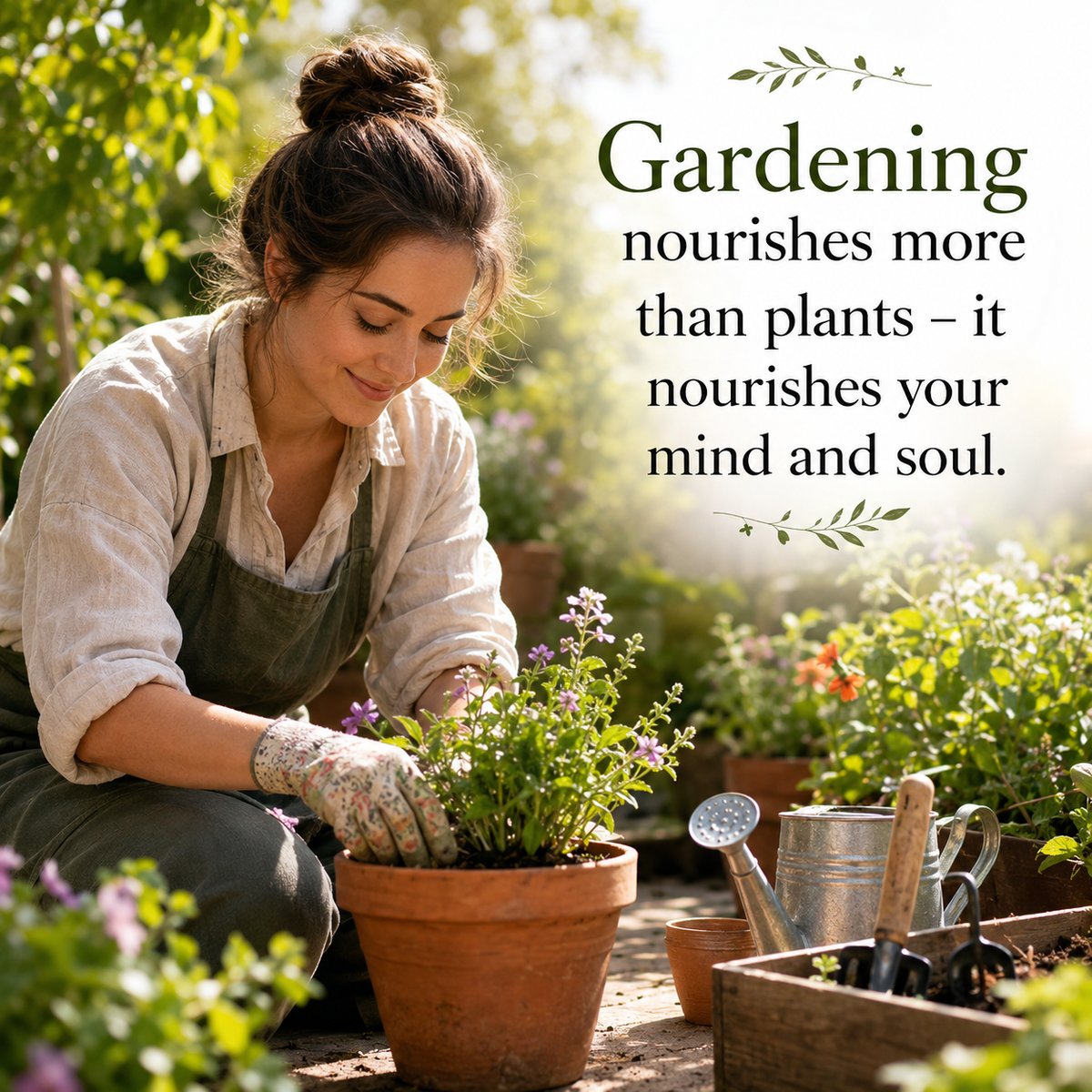
There are some things in life that just slow you down and allow you to appreciate the moment - one of those things is the satisfying feeling you get when your hands touch the soil and your grass or plants begin to grow. There are scientific studies that actually back this up and support the claim that cultivating a garden can calm your mind and improve your mental wellness. As the stress and strain of life continues to increase, there are more people seeking different and affordable methods of coping with anxiety and burnout. For some, it’s meditation apps, and for others it’s a spa day, and there are people who are willing to do these to supplement their care, but so many others have discovered that gardening is a peaceful and therapeutic method for restoring your mental state.
This article explains the positive benefits that gardening has on mental wellness and then compares this to other traditional methods of care. This article will do its best to give you an easy plan in order to build your own therapeutic outdoor space based on whatever space and resources you have available.
The Science Behind Calming Dirt Therapy
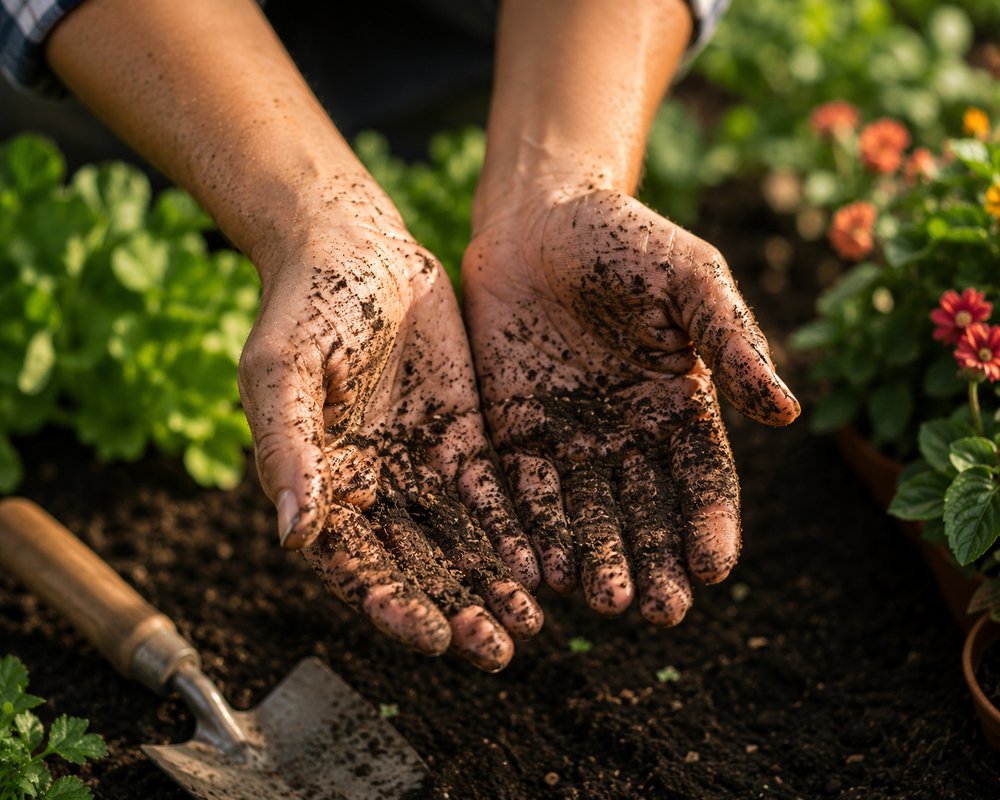
The science behind the relaxation people experience due to gardening is well-founded. One study demonstrated an increased production of the happiness neurotransmitter serotonin, as a result of inhalation or skin contact, of a specific breed of soil bacterium, Mycobacterium vaccae. Thus, dirt is not only a potential mood booster, but also proven to soothe people.
Gardening actually engages “soft fascination.” This is a state of concentration that is effortless and gentle, like watching the clouds roll by. Soft fascination taps into and engages the directed attention system of the brain. Thus, the mental exertion required to focus is drastically reduced. The garden restores and recuperates mental resources.
Gardening also provides a sense of control and accomplishment in a world with diminishing control due to unpredictable outcomes. The constant feedback of a plant’s growth provides reason and evidence that effort is important. This in turn provides greater self-assurance and resilience, which are highly effective and proven inhibitors for anxiety and depression.
Comparing Garden Therapy to Traditional Wellness Spaces
To understand the value of gardening therapy in today’s culture, it’s helpful to consider how it is similar to other wellness offerings. Wellness spas offer customers an opportunity to go through sensory experiences in their gardens, aromatherapy, and tranquility. Then there are gardens. An aesthetically pleasing garden can rival a wellness spa, and it can be enjoyed at any time.
The scent of fragrant plants is a natural and free alternative to a spa’s aromatherapy, and the sounds of bird and leaf activity are as equally soothing as a white noise machine. Sunlight through the leaves creates an expensive natural dappled lighting effect. Your garden, balcony or even a windowsill can be your own personal wellness spa — without the appointment book and the price tag.
There is still worth in wellness experiences with an element of structure. Dedicated garden wellness spas can provide a beginner with guided forest bathing or say mindful walking. It can even provide resources for individuals to try aromatherapy blending. Some of these engagements can provide a first-time user with a gateway to the artistic expression of gardening. It can even provide an individual with a glimpse into some potential outcomes someone can achieve from practicing gardening.
Garden spas provide inspiration for home based garden based wellness. Using the garden spa as a resource for inspiration for creative self expression and personal wellness can be a great compliment to one’s home garden. It provides peace and inspiration when you want inspiration and peace and as often as you need.
Gardening and Professionally Supported Mental Health
Garden-based wellness is not a replacement for clinical care for mental health conditions that require a licensed and structured approach. These invariably require clinical or psychological care that may include therapy or the use of medication. In today’s world, the use of psychiatric applications has bridged this gap, creating accessibility to care for individuals with limited geographic access to mental health care as well as long wait times.
There’s potential that the inclusion of gardening as complementary treatment by many of the professionals on the virtual psychiatrist platforms means that people taking formal treatment will benefit from the practice. Gardening therapy has shown success in veterans programs, hospitals, and rehabilitation centers for decreasing PTSD, depression, and chronic stress symptoms.
If you are in virtual therapy through a psychiatrist, consider proposing your interest in gardening in a therapy session. Many are open to the suggestion, and some people will help you formulate a plan for it to be part of your wide wellness plan involving sleep, exercise, and social engagement. Gardening is an excellent social wellness activity as it engages the positive nature effects gardening has on mental health in combination with social well-being.
Most therapeutic practices combine a service or expert professional with hands-on activity. While therapy and psychotherapy focus on treating the mind and its cognitive functions from a clinical standpoint, gardening provides the same reinforcement between clinic visits.
Building Your Own Garden for Wellness, Wherever You Live
Gardening does not require greenhouses, open green space, or random acts of gardening greatness. The positive effects of gardening become more focused as the resources become less.
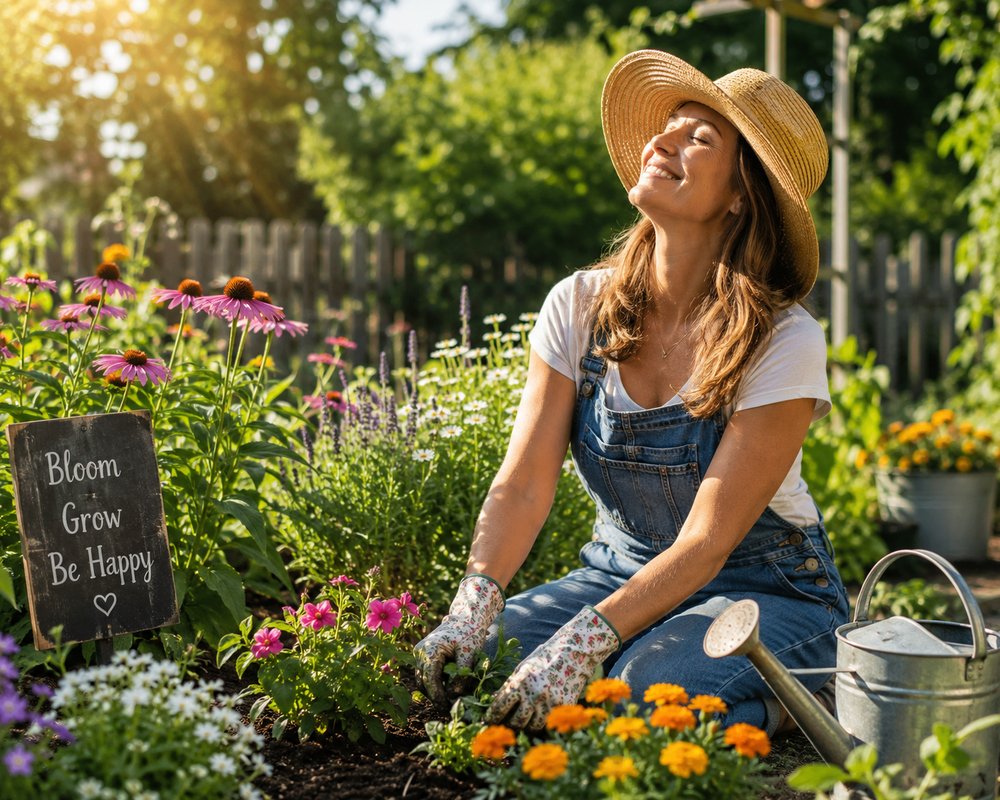
- Start with beginner-friendly plants. These are usually fast-growers that can handle some neglect. Many herbs (e.g. basil, mint, and rosemary) thrive in these conditions. Succulents and snake plants also require little maintenance. They make for great starter plants! Another good option is an easy-to-grow cactus.
- Pick a spot. No matter how small it is, carve out a section of your home to house your new plants. Even a small space will be able to house plants that come in 1 or 2 pot sizes. Think about moving your new spot to the sunniest area of your home.
- Add ease with all 5 senses. Beginners should really think about how they incorporate the 5 senses with gardening. Pay special attention to texture. A good soft additive is lamb’s ear. For seating areas, put some fragrant flowers around to help with the smell. Many flowers smell awesome! Put a small water feature or wind chime in there if you can, and plant some herbs or veggies to add the ability to eat the food you grew!
- Establish a habit. Even a small amount of time spent each day (around 5 - 10 minutes) weeding, watering, or just being with your plants is hugely beneficial to gardeners of any skill level. The most important thing is not how long you do it, but how often you do it.
- Track your mood and your garden’s growth. Keeping a simple journal that captures moods before and after gardening can help you recognize patterns and reinforce the habit. Many people are surprised to see how much their mood improves after brief periods of gardening.
- Bring in outside inspiration. If you’re feeling stuck or unmotivated, consider going to a neighboring park with a high-quality garden, botanical garden, or garden wellness spa. Take the day to let them reignite your excitement and give you new ideas to use when you return to your space.
Conclusion
There is something distinctly unique about gardening. It’s something that is so uncommon in today’s world, and it’s so unique that it has the capability to break the mold. Gardening has the potential to help with your serotonin levels and your mental health because of the healthy bacteria in the soil. It can provide calm, structure, and peace with just a simple act of daily watering. Those who take inspiration from a garden wellness spa, those who create modest wellness gardens on their windowsill, and those who work with a virtual psychiatrist, nature is the best therapist, and it will help you grow in so many ways.